Bridge Walking Route: Connecting the City
Discover Riga's architectural heritage while crossing iconic bridges that link neighborhoods and centuries together.

Why These Bridges Matter
Riga's bridges aren't just infrastructure. They're architectural statements that tell the story of how this city developed across the Daugava River. Each crossing—whether stone, steel, or concrete—represents a different era of the city's growth.
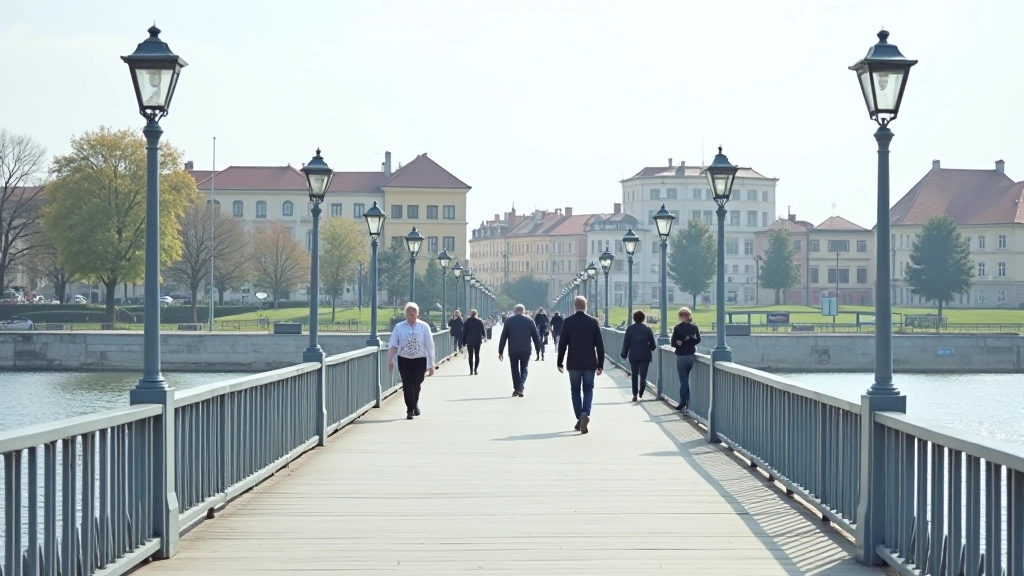
You'll notice the bridges shift in character as you move through the route. Some are ornate with decorative railings and period details. Others are purely functional, built for efficiency in the Soviet era. Together, they create a visual timeline that's genuinely interesting if you know what you're looking at.
The route connects neighborhoods that don't naturally interact. That's the real magic—you're not just walking, you're physically linking parts of the city that developed separately. By the end, you'll understand Riga's geography in a way a map can't really show you.
Starting Point: Stone Bridge to Vanšu Bridge
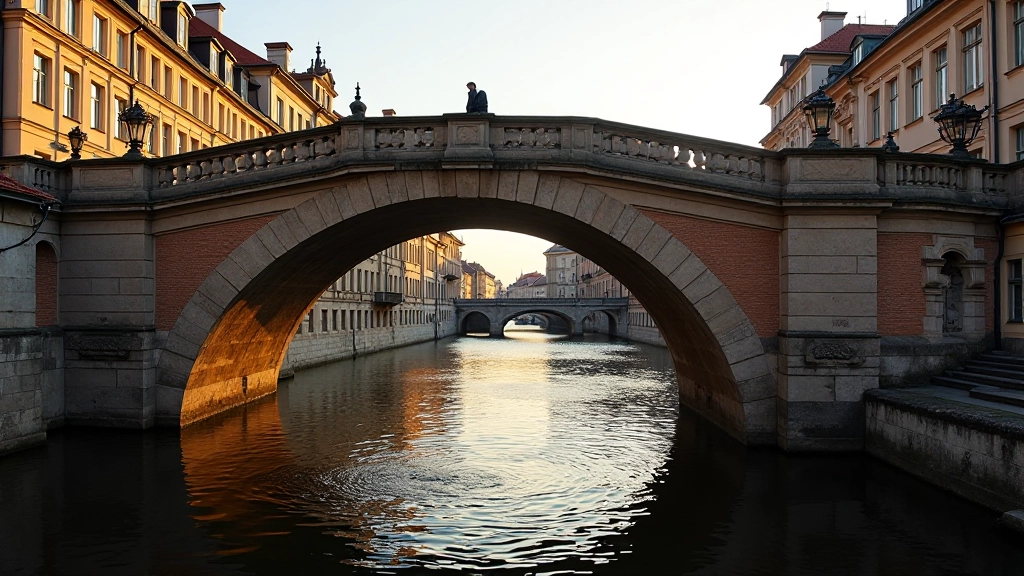
Begin at the Stone Bridge (Akmens tilts), the oldest crossing and probably Riga's most iconic bridge. It's not just pretty—it's got stories embedded in every stone. Built in the 1870s, it's survived everything the city could throw at it.
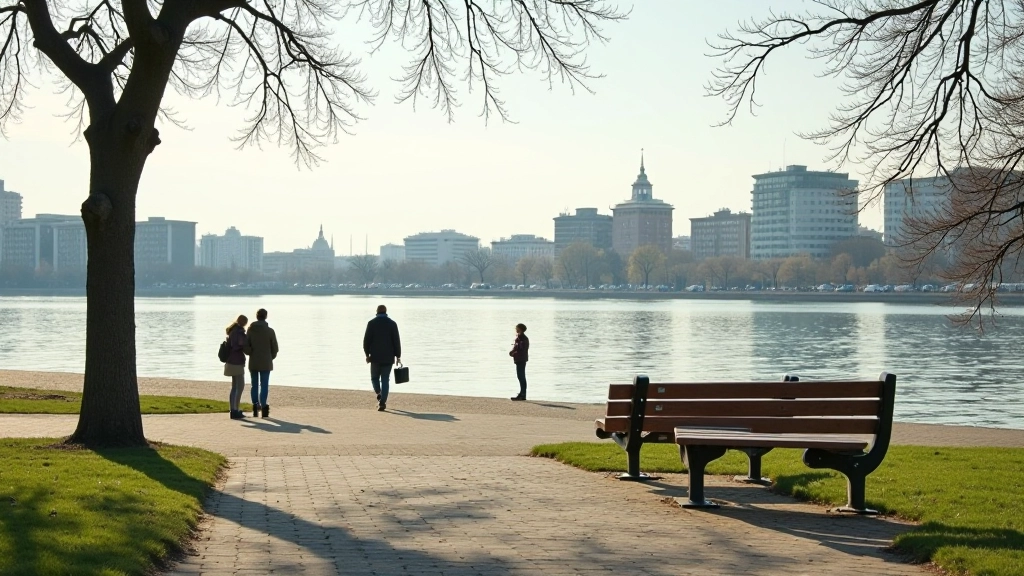
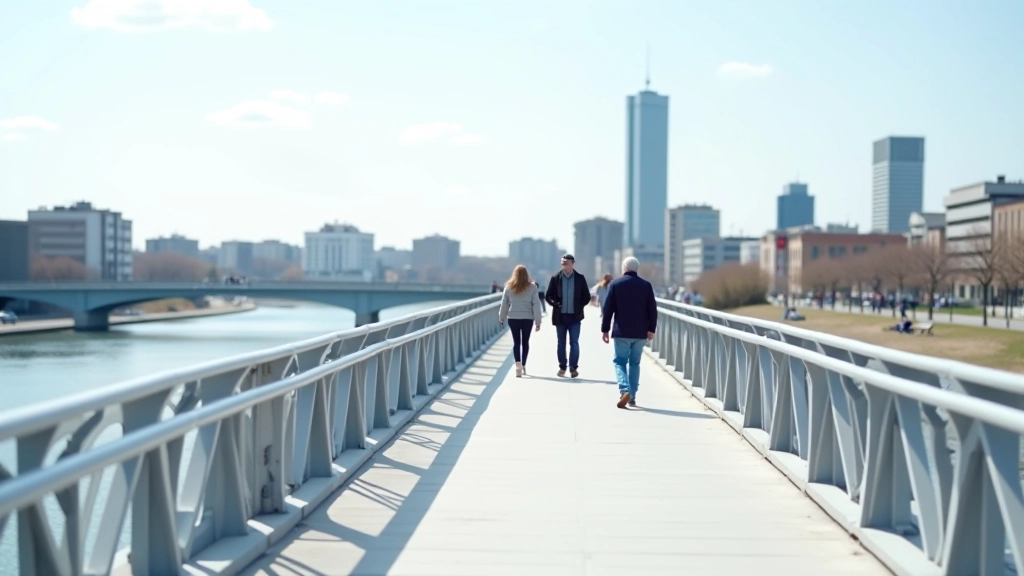
From here, you'll head toward Vanšu Bridge, which sits about 1.5 kilometers away. Don't rush this part. There's a reason locals slow down on this stretch—the river views change constantly depending on where you're standing. The embankment here is where you'll see genuine Riga life happening. Joggers, couples, families with strollers. It's not a tourist zone, which is exactly what makes it worth experiencing.
Distance between bridges: 1.5 km (flat, easy walking)
Benches available: Yes, several along the embankment
Best time: Early morning or late afternoon for light
The Middle Section: Architectural Transitions
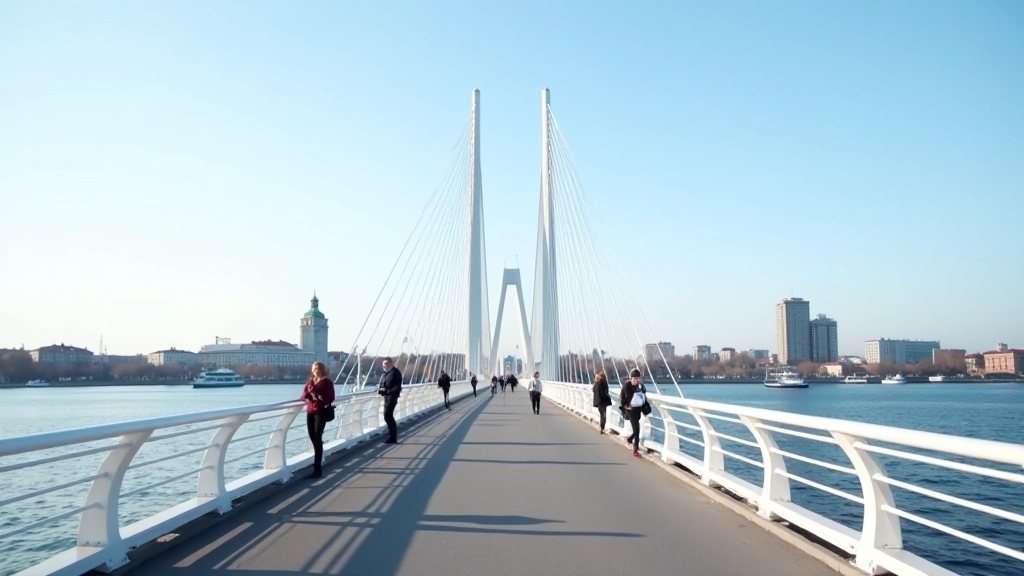
Vanšu Bridge marks a turning point. It's a cable-stayed bridge built in 1981, and it looks completely different from what came before. The engineering is visible—you can see the cables, the tension, the modern approach to crossing. This bridge gets less foot traffic than Stone Bridge, which means you'll actually notice the views more clearly.
Walk across Vanšu and you're entering a quieter part of the city. The neighborhoods change. You'll see newer apartment buildings, then older Latvian wooden houses, then Soviet-era residential blocks. It's not always picturesque, but it's authentic. This is where real Rigans live, not the postcard version.
From Vanšu, head toward Railway Bridge (Dzelzceļa tilts). This one's industrial and undecorated—pure function. But that's exactly why it's worth crossing. You get a completely different perspective of the city from an engineering standpoint. The bridge carries trains, cars, and pedestrians all at once, which makes it feel genuinely alive.
Walking Tips & Details
Total Distance
The complete route from Stone Bridge to Railway Bridge is about 4.2 kilometers. It's not a loop—you'll need to return the same way or catch a tram back to the starting point.
Time Required
Allow 2-2.5 hours if you're walking at a normal pace and stopping occasionally for views. Don't rush. The point isn't to complete it quickly—it's to actually see the architecture and understand how the bridges connect.
Best Season
Spring and autumn are ideal. Summer works but gets crowded, especially on weekends. Winter is doable but bridges can be slippery—wear proper footwear with good grip.
What to Bring
Water and snacks are essential. There aren't many shops along this route. Wear comfortable walking shoes—all surfaces are paved, but you'll be on your feet for a couple hours.
Photography Stops
The best light for photos is early morning from Stone Bridge looking toward the old town. Late afternoon gives golden light across all the bridges. Midday is fine for architectural details but harsh for general views.
Accessibility
All bridges have pedestrian access. Most are wheelchair accessible, though some have slight inclines. Benches are placed throughout if you need rest breaks. Avoid during heavy rain—bridges can be slippery.
Why This Route Matters
This bridge walking route does something most tourist paths don't—it reveals how a city actually functions. You're not visiting landmarks in isolation. You're experiencing the connections that make Riga work as a living city, not just a historical site.
By the time you've crossed all these bridges, you'll understand Riga's geography in a genuine way. You'll know which neighborhoods connect to which. You'll see how the river shaped development on both sides. You'll recognize the architectural periods just by looking at the bridges themselves.
That's the real value here. It's not about checking boxes or collecting bridge photos. It's about understanding a city through the infrastructure that holds it together. And honestly, that kind of knowledge makes everything else you see in Riga make more sense afterward.
Want to explore more walking routes in Riga?
Browse all riverside walksImportant Note
This article provides informational guidance for walking routes in Riga. While we've made every effort to ensure accuracy, walking conditions, accessibility, and route details can change due to weather, maintenance, or city developments. Always check local conditions before heading out, wear appropriate footwear, and be aware of traffic on shared-use bridges. If you have mobility concerns, test shorter sections first or consult with local tourism information for current accessibility details. Weather can make bridges slippery—exercise caution during or after rain.