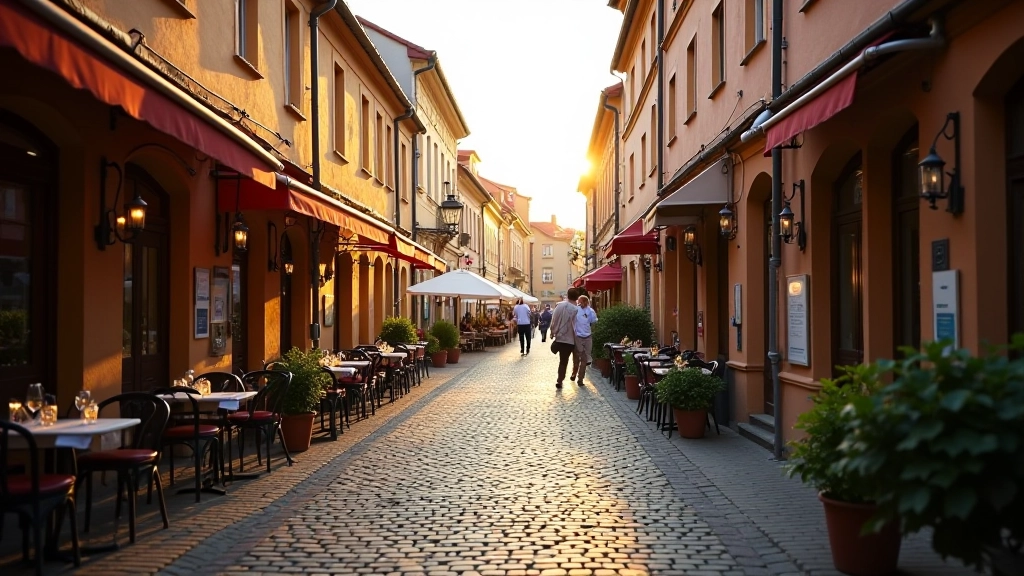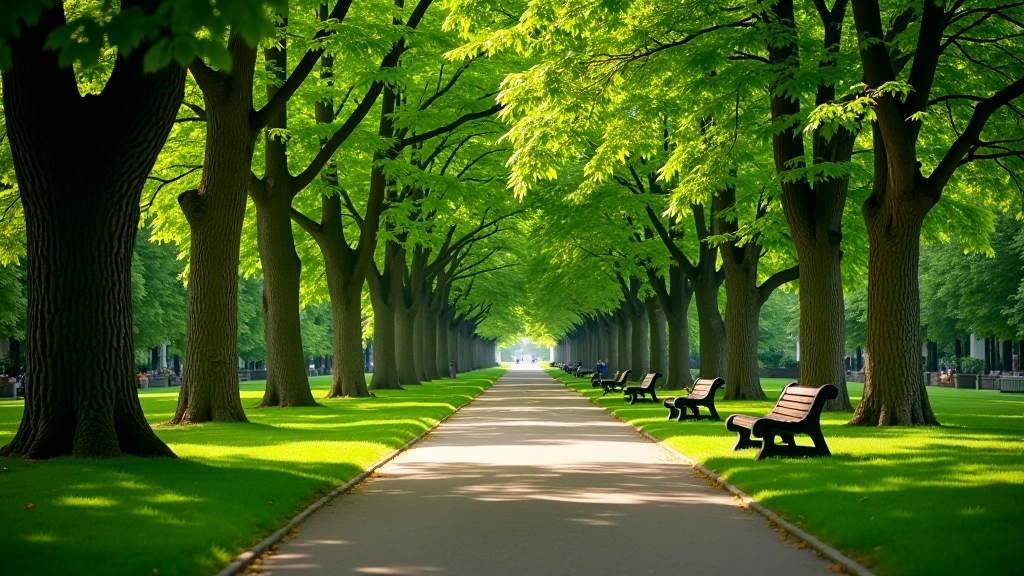
Daugava Embankment: Riverside Serenity
A flat, easy walk along the river with benches every few hundred meters. Perfect for those who want minimal hills and maximum relaxation.

Why the Daugava Embankment Matters
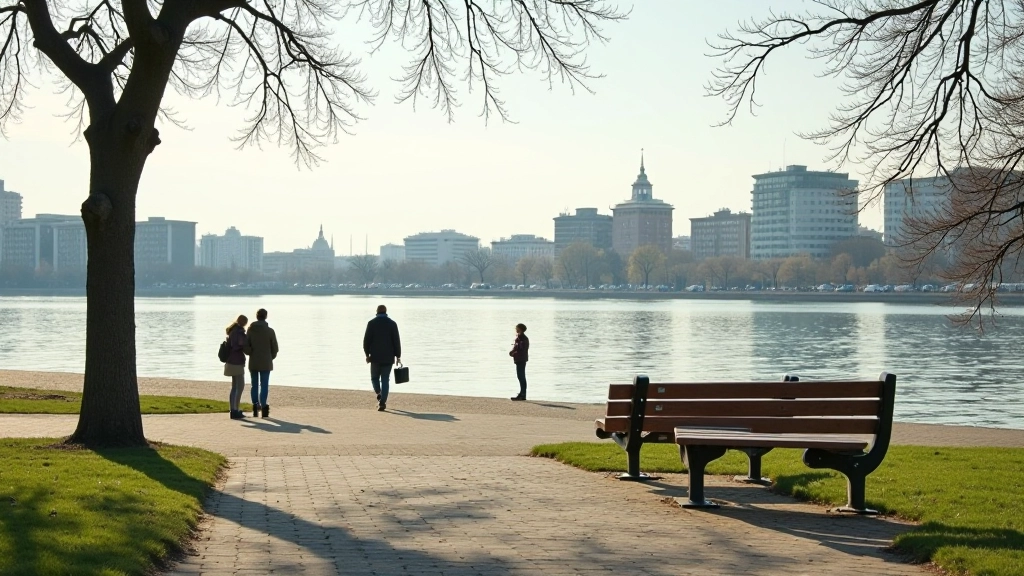
The Daugava River flows through Riga's heart, and its embankment is where the city breathes most gently. Unlike the busier old town streets, this riverside path offers something rare: a proper walk without struggle. It's completely flat, well-maintained, and lined with benches you'll actually want to use.
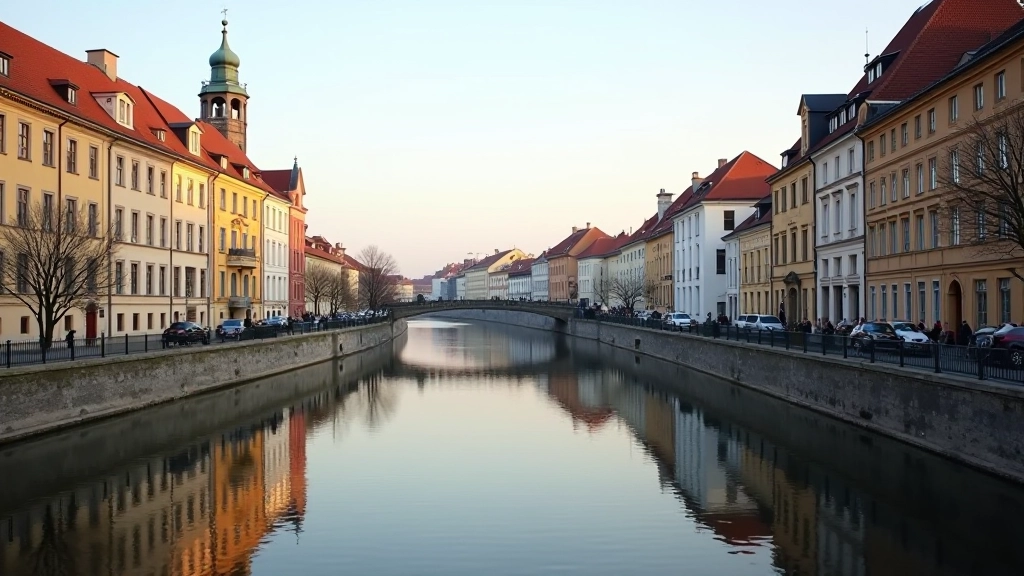
What makes it special isn't just the ease. You're walking alongside 800 years of history, watching how the city transitions from medieval spires to modern bridges. The water itself creates a calming presence. Most people who walk here tell us they feel more relaxed after thirty minutes than they do after a full day at home.
Key fact: The full embankment stretch covers roughly 3 kilometers of continuous riverside path. You don't need to do the whole thing — many people do just 1-1.5 km and feel completely satisfied.
What You'll Experience
Five reasons this walk feels effortless
Completely Flat
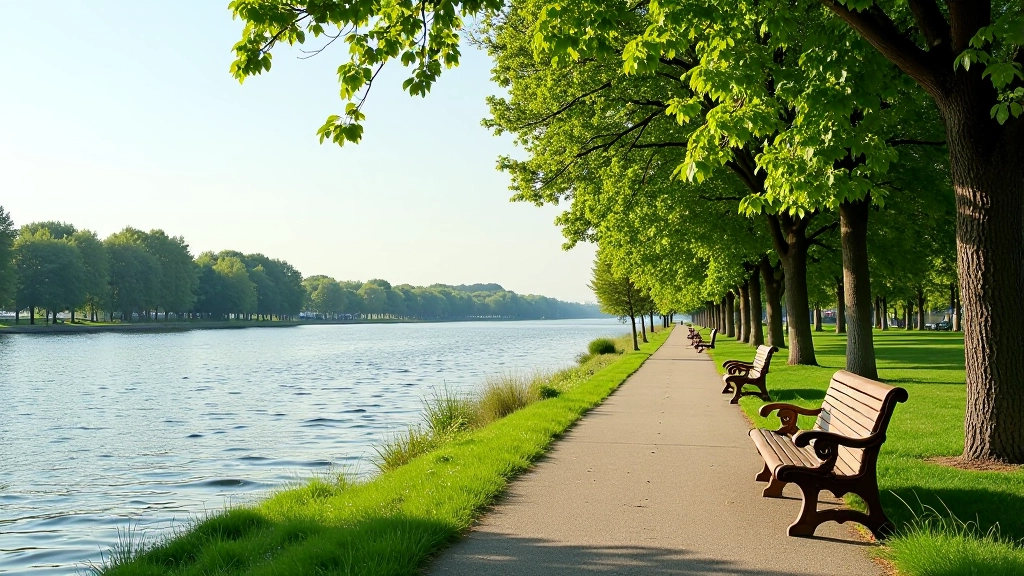
Zero elevation changes. The path runs level along the water's edge. No hills, no slopes, no surprises. Your knees will appreciate it.
Benches Every Few Hundred Meters
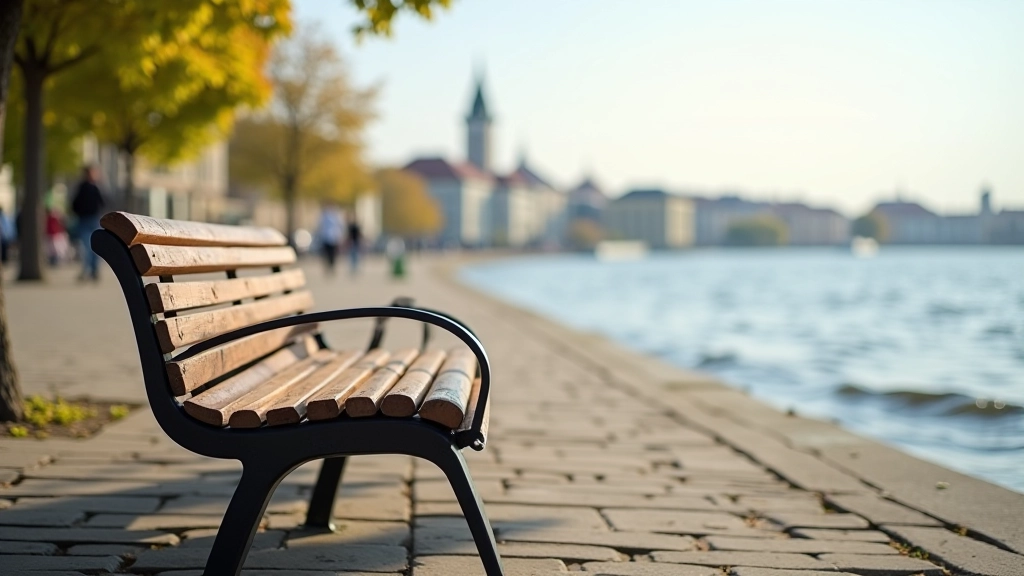
You're never far from a place to sit. Wooden benches positioned to face the river. Perfect for resting, people-watching, or just soaking in the view.
Open, Airy Feeling
The wide-open space next to the water creates an sense of freedom. No feeling cramped or closed in. You can see clearly ahead.
Safe and Well-Lit
The path is well-maintained, clearly marked, and well-lit in the evening. It's one of Riga's most regularly maintained walking routes.
The River Itself
Moving water has a calming effect. You'll notice boats passing, swans moving lazily, the light changing on the surface. It's constantly peaceful.
Multiple Entry Points
You can start from different locations along the embankment. No need to walk the whole route — hop on wherever feels convenient.
Planning Your Walk
Most people start near Kronvalda Park or the Old Town edge and simply follow the water. There's no wrong direction. The embankment curves naturally with the river, so you'll never feel lost. You're following the water — that's your guide.
Timing matters. Early morning (before 9am) is quietest. Midday brings more foot traffic but also more people-watching opportunities. Evening walks from 5-7pm offer beautiful light and fewer crowds than midday. Most people complete a comfortable 1.5-kilometer stretch in about 40 minutes with a couple of bench stops.
Wear comfortable shoes with decent support. The path is paved and smooth, but you'll be standing and walking for an extended period. Bring water if it's warm out. The embankment doesn't have many shops immediately adjacent, so a small bottle makes sense. In winter, the path does ice over occasionally, so check conditions before heading out on cold days.
Choose your starting point — Kronvalda Park, Old Town edge, or near the bridges
Walk at your own pace — stop whenever you want, sit as long as you like
Use the benches — there's no rush and they're designed for rest
Turn back whenever you feel ready — no commitment to any distance
What Makes It Special for Retirees
This isn't a scenic afterthought. It's been thoughtfully designed for people who want to walk without strain. The path width accommodates walkers, wheelchairs, and cyclists without feeling crowded. The benches aren't an afterthought either — they're positioned at natural intervals where you'd probably want to rest anyway.
Many locals who've walked here for years say it's become their favorite routine. Not because it's exotic, but because it's reliable. You know what you're getting. No surprises, no unexpected hills, no navigation confusion. You can focus on the experience rather than managing the walk itself.
The social aspect matters too. You'll see the same faces regularly if you go at the same time. Couples, solo walkers, groups of friends. People nod. Sometimes conversations happen by the benches. It's a place where the city slows down, and that's increasingly rare.
Practical Tips for Your Visit
Best Times to Go
Early morning before 9am or evening after 5pm for quiet walks. Spring and early autumn offer the most comfortable weather. Summer can get busy, but it's also the most beautiful season.
What to Bring
Comfortable walking shoes, a light jacket (wind off the water can be cool), and a bottle of water. A hat for sunny days. You don't need much — the path has everything else you need nearby.
Accessibility Notes
The path is fully paved and flat. Wheelchair users can navigate the full embankment without difficulty. Walking canes work well on this surface. Very accessible compared to other Riga routes.
Photography Moments
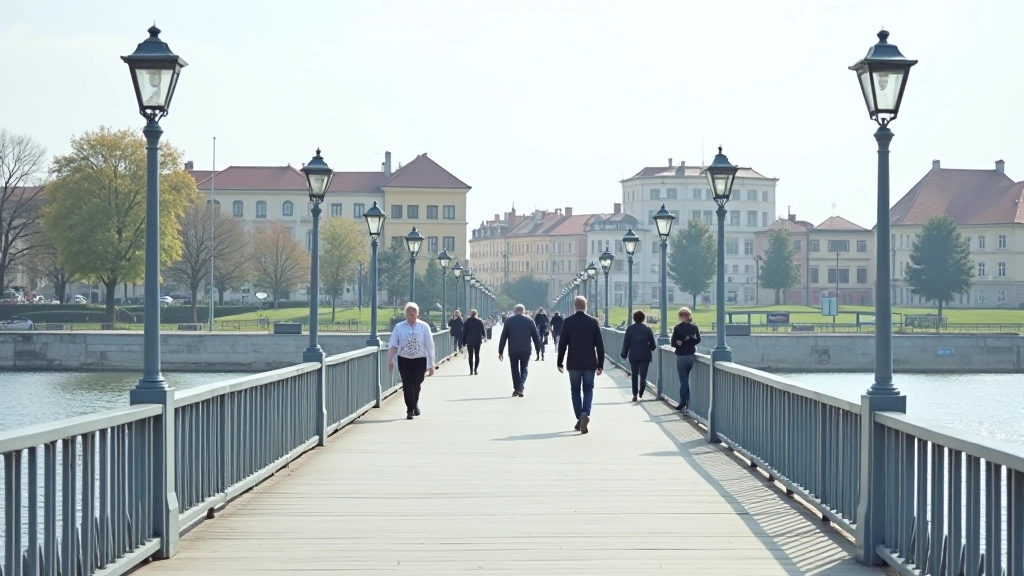
The bridges offer stunning photo angles. Early morning and golden hour (before sunset) provide the best light. The water reflects everything beautifully when it's calm.
Why You Should Walk Here
The Daugava Embankment isn't trying to be anything other than what it is: a peaceful walk along water in a beautiful city. It's not challenging. It's not complicated. It's just genuinely nice. You'll walk at your pace, sit whenever you want, and watch a river flow past medieval buildings and modern bridges. That's enough. That's more than enough.
If you're looking for a walk that feels effortless but rewarding, that offers genuine beauty without demanding anything from you, this is it. Come once and you'll understand why so many people return regularly. It's the kind of place that becomes part of your routine without you planning for it to be.
"The best walks aren't the ones with the best views. They're the ones where you feel like you belong, where the rhythm matches your own pace, and where you want to come back tomorrow."
Important Notice
This guide is intended for informational purposes about the Daugava Embankment walking route in Riga. While we've described the path based on current conditions, weather and seasonal factors can affect accessibility. Please check local conditions before your visit, especially during winter months when ice may form. The path remains open year-round but may be less comfortable during severe weather. Always bring appropriate footwear and weather protection. If you have mobility concerns or health conditions that might be affected by walking, consult with a healthcare provider before undertaking any new walking routine. This guide reflects conditions as of June 2026 and may change over time.
Explore More Riverside Walks