Old Town Promenade: A Step Back in Time
Wander through centuries of history on this gentle loop through Riga's medieval quarter. Learn the stories behind the buildings and grab lunch at a local café.

Why the Old Town Matters
Riga's Old Town isn't just a collection of old buildings—it's where the city's whole story lives. You're walking through streets that've been here for nearly 900 years, past guild houses where merchants made their fortunes, churches where families celebrated and mourned, and cafés where locals still gather like they always have.
The thing that makes this walk special? It's genuinely flat. No hills, no awkward stairs hidden between attractions. Most people do this loop in about 90 minutes if you're taking your time, which you should be. There's too much to rush past.
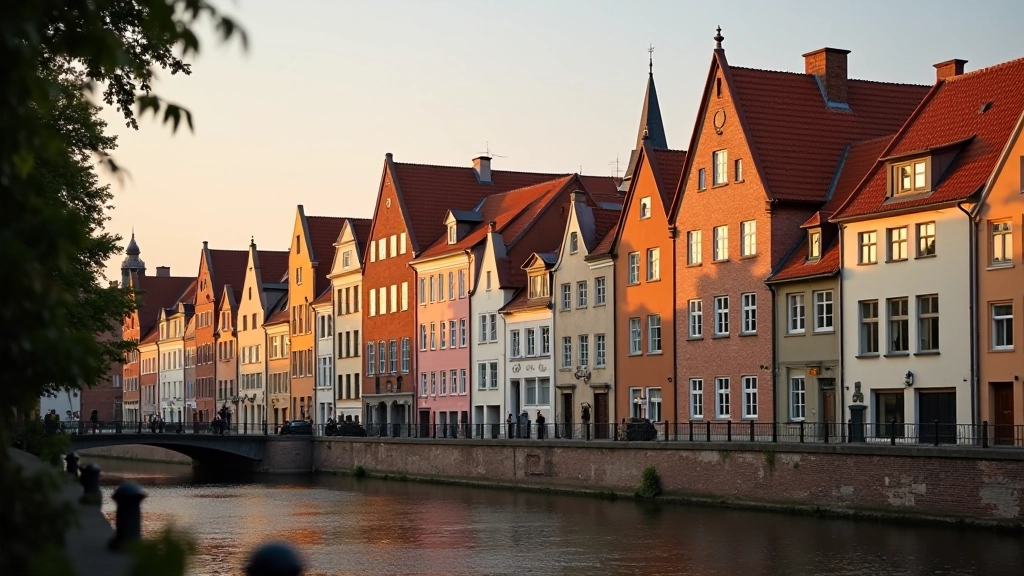
You'll see architecture from different eras side by side—medieval townhouses with their characteristic narrow gabled roofs, Renaissance additions with ornate carvings, and Art Nouveau buildings that somehow fit naturally into the medieval streetscape. That layering of history is what makes Old Town feel alive, not frozen in time.
The Route at a Glance
- Distance: 1.8 km (easy to break into smaller walks)
- Time: 90 minutes at a relaxed pace
- Surface: Mostly cobblestones (smooth in most places)
- Benches: Several public seating areas, plus cafés
- Toilets: Available in cafés and restaurants
- Best time: Morning or late afternoon (fewer crowds)
What You'll Actually See
Not just pretty streets—real stories. The Three Brothers buildings (they're literally three different houses in one row), each one telling you something about how Riga changed over 400 years. The Dom Cathedral with its massive spire that you can see from almost anywhere in the Old Town. The Guild Houses where artisans once lived and worked, now converted into museums, restaurants, and shops that actually make sense in their spaces.
Walking It Step by Step
Start at Town Hall Square
Begin at the main square where the Town Hall building sits. It's easy to find—taxis know it, locals can point you there. The square itself is a good rest point with cafés around the edges. You can see the House of Blackheads building here, which is worth a minute to look at even if you don't go inside.
Walk toward the Cathedral
Head north into the narrow streets. You can't really get lost here—the streets form a natural grid and the cathedral's spire guides you. This section has the most interesting shops and cafés tucked into ground-floor spaces. Stop whenever something catches your eye. That's the whole point.
Explore the Cathedral and St. Peter's Church
Don't skip the cathedral area. The Dom Cathedral interior is genuinely beautiful—high ceilings, light pouring in. St. Peter's Church has an elevator to a viewing platform (or stairs if you prefer). The view from up there gives you a real sense of the Old Town's size and layout. You'll see the river from there too.
Walk toward the River
Head east toward the Daugava River. You'll pass the Three Brothers buildings on Maza Pils Street—pause here and look at how each building's architecture tells a different century's story. The street opens up as you approach the river, and suddenly you've got space and air around you again.
Rest at the River
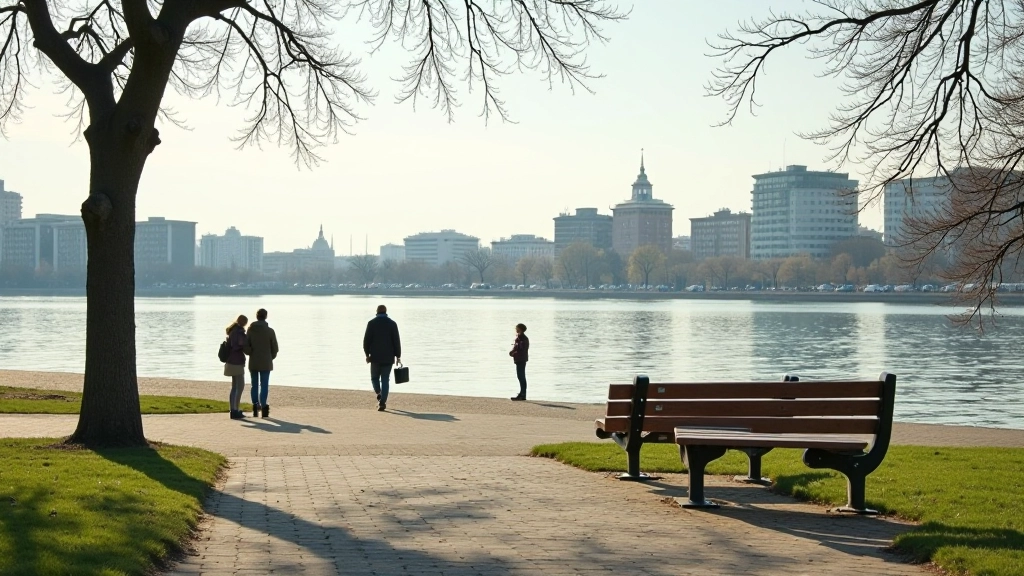
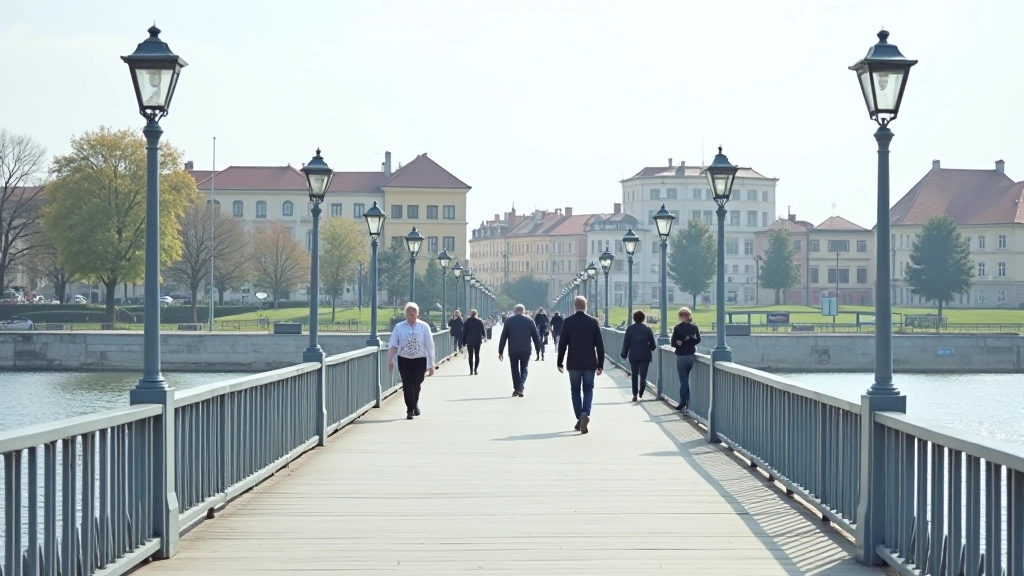
Spend some time by the water. There's a pleasant riverside walk here with benches and views across to the left bank. This is a natural stopping point. If you've got energy left, you can continue around to complete the loop or call it a day and head to a café.
Practical Things That Actually Matter
The cobblestones are uneven in some places. Not dangerous if you're careful, but worth knowing about. Wear comfortable shoes with decent grip—avoid anything with thin soles. Bring water, especially in summer. The medieval buildings don't provide much shade in some stretches.
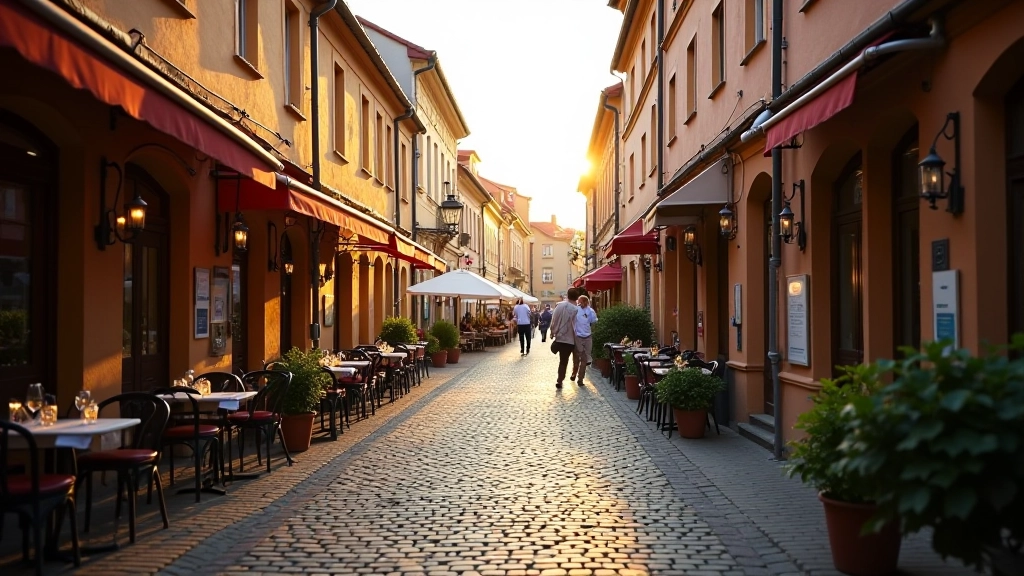
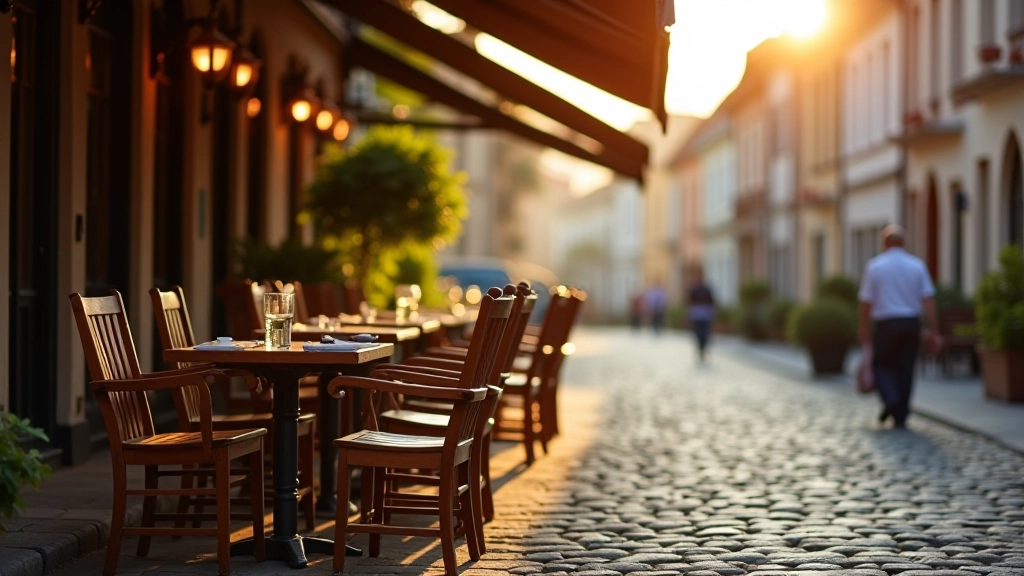
Cafés are genuinely good here. They're not tourist traps—locals eat at them too. A coffee and a pastry costs maybe 4-5 euros. Sit outside if the weather's decent. This is where you'll actually experience what the Old Town is to people who live here, not just visit.
Best time to go? Weekday mornings get you quieter streets. Evenings in summer are pleasant but busier. Avoid midday in July and August if you're heat-sensitive. Spring and early autumn are genuinely perfect—mild weather, manageable crowds, light that makes the old buildings look their best.
Photography is easy here. Almost every corner gives you something worth capturing. The narrow streets create natural framing, and the light quality is generally good. If you're interested in architecture, bring a proper camera—phone cameras struggle with the fine detail work on the buildings.
Real Tips from People Who've Done This Walk
Don't Follow a Strict Route
You'll discover better things by wandering. Turn down side streets, peek into courtyards, notice the details. That's where the real experience is—not in hitting checkpoints.
Talk to People at Cafés
Staff at the small cafés know stories about the buildings and neighborhoods. A simple question often gets you genuine conversation, not a rehearsed tourist speech.
Bring a Phone Charger
You'll want to take photos, maybe use maps, look things up. Most cafés have outlets, but carrying a portable charger means you're not tied to sitting somewhere to power up.
Go on a Clear Day
Rain isn't terrible—the wet cobblestones look beautiful—but clear days let you see the river views and appreciate the buildings' details without struggling with weather.
Why You Should Actually Do This Walk
This isn't a bucket-list checkbox. It's a genuine walk through a place where people actually live and work. You'll see how a medieval city adapts and survives, how history and modern life coexist in the same cobblestone streets. The buildings tell stories—not tourist stories, real ones about traders and craftspeople and families who've been here for centuries.
The pace is yours to set. You can do it in an hour if you just want to move through, or spend half a day wandering and sitting and absorbing. There's no right way to experience it. That's what makes it work for people of any age or mobility level—you control how much ground you cover and where you linger.
Come for the architecture, stay for the café, leave with a sense that you've actually been somewhere. That's the best kind of walk.
Important Notice
This article provides informational content about walking routes in Riga for educational purposes. Route details, facility availability, and conditions can change seasonally or without notice. Before undertaking any walk, verify current conditions, check weather forecasts, and consult with local authorities if needed. Always prioritize your personal safety and health. The information presented reflects conditions at the time of publication and shouldn't be considered a substitute for local guidance or professional advice regarding accessibility, physical fitness requirements, or specific health considerations.